Perimenopause, cognition and validation of an often minimized experience Perimenopause is not just a time of hormonal changes, hot flashes, or sleep disturbances. For many women, it is also a stage in which real cognitive changes occur: difficulty concentrating, a feeling of brain fog, more frequent forgetfulness, the need...
All posts by Roxana Nicolau

There are people who reach adulthood with the feeling that they have spent a lifetime trying to understand why everything seems harder than it should be. Not necessarily impossible. Not necessarily visible from the outside. But hard in a constant, subtle, tiring way. Hard to start. Hard to stop....
If you have ADHD, you probably already know what Monday morning looks like when your brain decides it’s not cooperating. But do you know why this happens? And more importantly, do you know that there’s a fundamental difference between not being able to and not wanting to? The first...
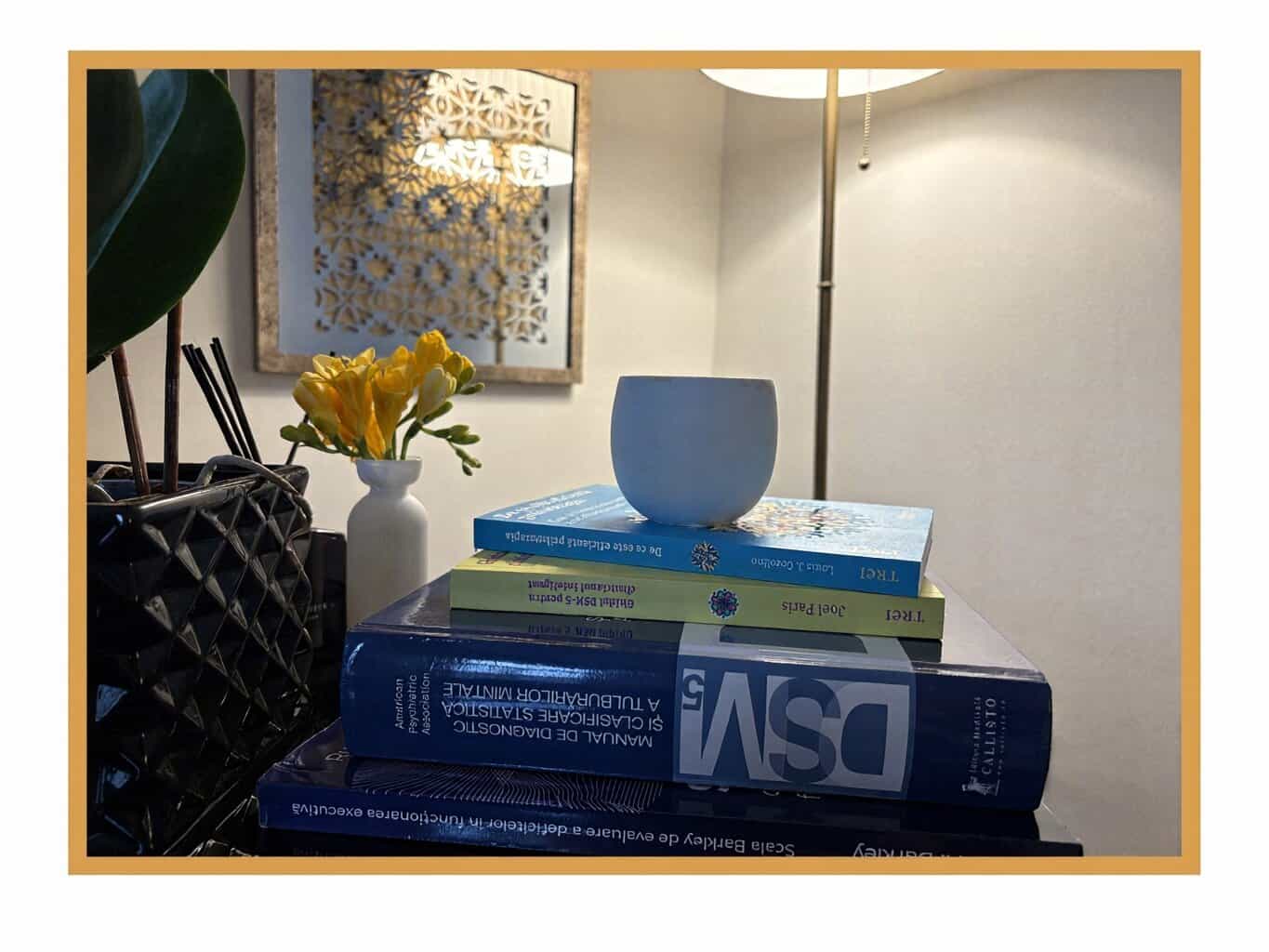
Why I love clinical psychology or how I ended up reading the DSM over coffee Clinical psychology isn’t sexy. It’s not in the movies, it doesn’t have a good soundtrack, and no one mentions it at parties. And yet, 20 years later, I still wake up in the...

A conversation with Dr. Yath Ramesh, a psychiatrist specializing in ADHD A personal note before we begin I have been working with adults for many years, and like any clinician who follows the literature, I have experienced a significant change in the way we understand ADHD in the last...
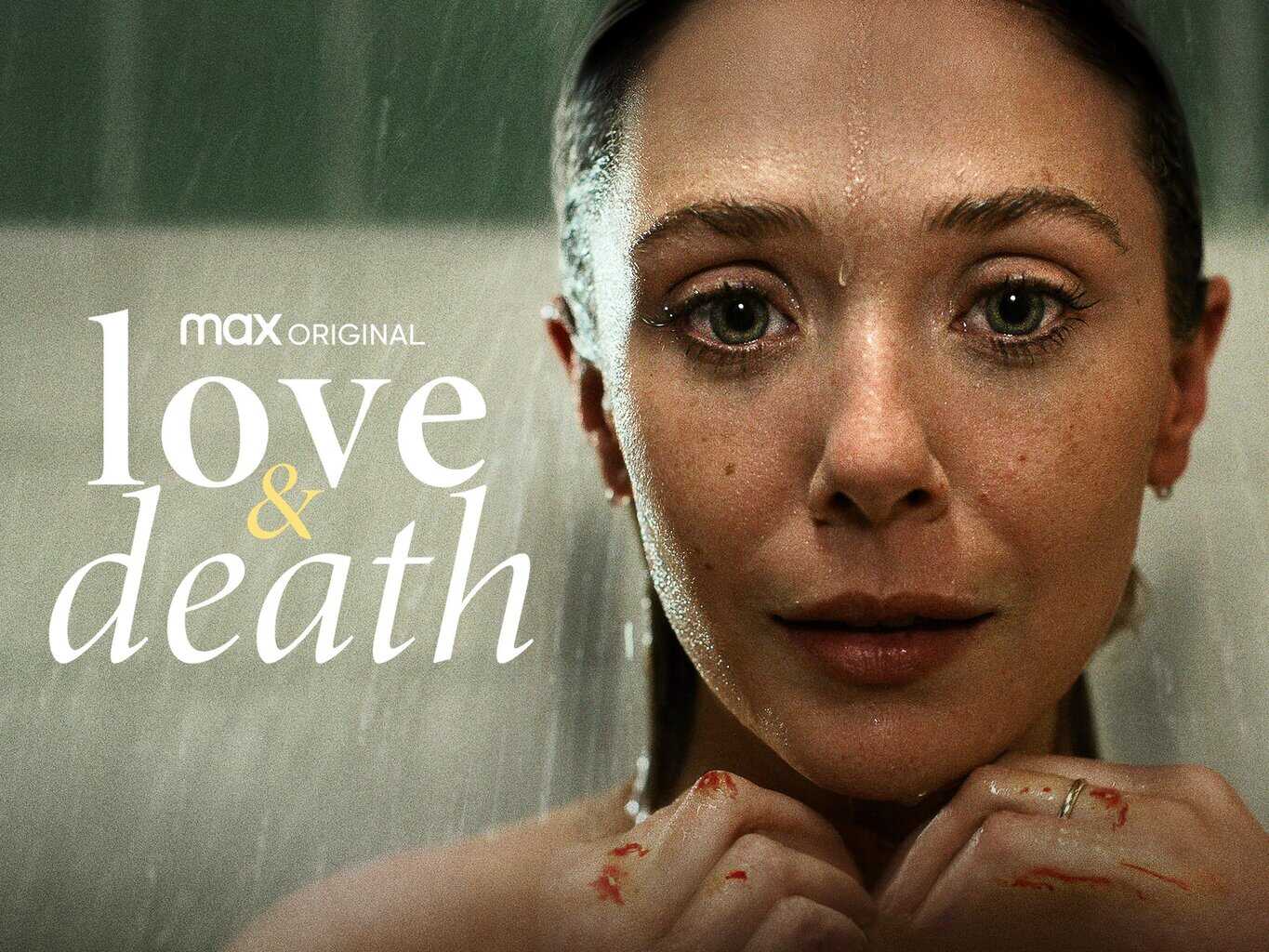
A psychological reflection based on the Love & Death series There’s a type of woman we all know. We recognize her at church, at neighborhood gatherings, at someone else’s Christmas dinner. She’s well-groomed, smiles at the right times, raises her children well, shows up at school reunions, and hosts...
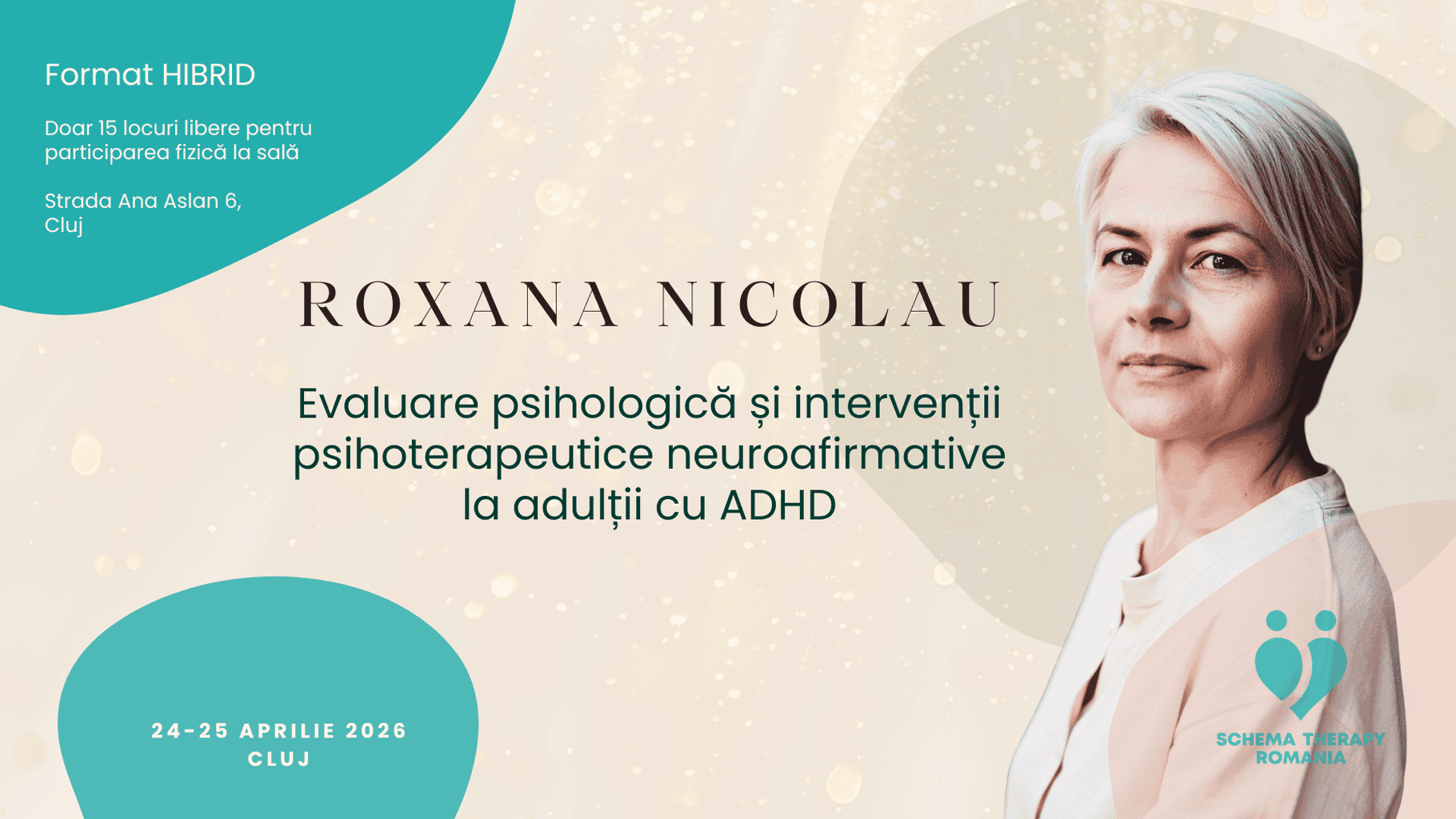
Adult ADHD remains, in many contexts, poorly understood or interpreted through frameworks that do not capture the true complexity of this condition. In practice, we frequently encounter adults who have spent years trying to “function like others,” and their difficulties have often been explained by lack of willpower, resistance,...

From tables to chairs For years I worked with my thoughts. I analyzed them, restructured them, neatly organized them into columns, and when everything seemed clear, I put them under the microscope again—just to be safe. That’s how we, CBT-trained therapists, are: orderly, attentive, with a weakness for reason...

The starting point for this reflection is the documentary Portrait of a Confused Father , made by Gunnar Hall Jensen — a disturbing confession about the relationship between a father and his son, about the fragility of life, and about how today’s boys end up looking for role models...

Why the HiTOP model deserves every clinician’s attention I admit: although in Romania we officially work with the ICD , I was, for the most part, raised professionally with the DSM on my desk . Ever since college, I felt that the information I was receiving about mental disorders...

Back to the sand pit Two children were playing together, with buckets and shovels, at the sandpit. Suddenly, a heated argument broke out between them, and one of the children ran away, screaming “I hate you, I hate you!” But almost immediately the two returned to the sandpit, playing...

If we look closely, the most heated arguments in a relationship are not about dirty dishes, forgotten phones, or who made the first mistake. Behind them lie much deeper needs: the desire to be seen and accepted for who you are, the fear of being abandoned, the need to...

A reflection from the therapy room Have you ever looked at your partner and, without meaning to, thought about who they loved before you? Many people bring this question to my attention in therapy, sometimes in a low, almost ashamed voice: “Why do I keep thinking about his/her exes?...

I left the cinema after the preview of Tudor Platon’s film An Almost Perfect Family with the feeling that I had witnessed an exercise in almost unbearable sincerity. While watching, I kept asking myself: how did the director convince his parents to accept not only being filmed, but especially...

In the office I heard many stories. Some told with trembling voices, others in whispers, others with their gaze lost somewhere, far away. Stories about fear, control, humiliation, about freedoms lost step by step. And, sometimes, about lives ended too soon.

In the process of supervision in the world of Psychotherapy, audio-video recordings function as a kind of high-resolution “rearview mirror”: we can always return to the pure reality of the session, without the filters – sometimes kind, sometimes selective – of memory. Over time, I have had the opportunity...

We are all made up of multiple sides of ourselves: we have different parts of ourselves, each with their own thoughts, emotions, and ways of reacting. Sometimes, for people who identify as autistic, with ADHD, or a combination of AuDHD, these parts can be very visible and can seem...

The model proposed by Jaak Panksepp (2011) describes the existence of seven primary motivational systems, deeply rooted in the subcortical structures of the brain. These systems, common to all mammals, underlie fundamental behaviors, emotional reactions, and the way we connect with others – contributing to both healthy development and...

It’s that time of year again: the promise of a fresh start is in the air, and we feel motivated to make a change. New Year’s resolutions appeal to us with the idea of a “clean slate,” but if we’re honest with ourselves, many of us know how this...

The BBC documentary Irresistible: Why We Can’t Stop Eating is a profound journey into the complex world of our relationship with food, exploring with empathy and clarity the reasons why resisting food temptations can be so difficult. It goes beyond a simple analysis of the modern food industry—it’s an...

I went to the theater tonight – The Little Prince, with the wonderful Oana Pellea and the incredible Lari Giorgescu. My goodness, how I cried! The tears came like a flood, like a release after all the hard days, after this entire year filled with everything – joys, losses,...

If you have ADHD, you might notice that in moments of panic, stress, or when a deadline is looming, you suddenly become a productivity genius. Like a last-minute superhero, you dive into action and work magic. And who wouldn’t want to feel like that? But let’s be honest: what...

Memoirs of a Snail by Adam Elliot is more than a stop-motion film – it’s a profound journey into understanding our own vulnerability and the healing power of human connection. It’s the kind of story that reaches the deepest corners of your soul, offering comfort and hope.